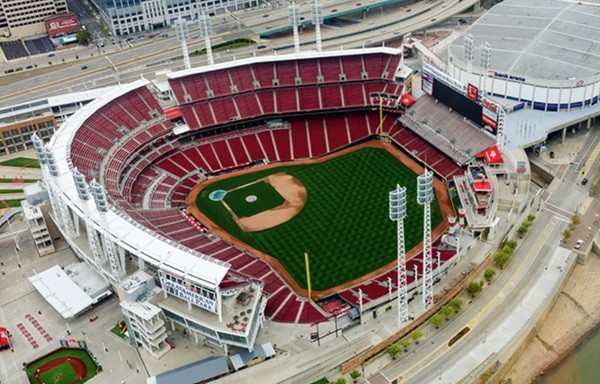
In the world of professional sports, the venue is often just a container for the action. A basketball court or a soccer pitch is a standardized rectangle, regardless of where it is located. However, in baseball, the stadium is an active participant in the game. The “ballpark” is an essential part of the sport’s soul, a place where geography, history, and architecture collide to create a unique environment for every match. From the cramped and quirky “Jewel Boxes” of the early 1900s to the massive, high-tech marvels of 2026, the evolution of the ballpark reflects the changing values of society and the growth of the sport. The story of baseball architecture is a journey from local community hubs to global entertainment destinations, showing how the “National Pastime” has adapted to the demands of a modern audience while desperately clinging to the romanticism of its past.
The Jewel Box Era: Intimacy and Irregularity
At the beginning of the 20th century, baseball stadiums were built to fit into existing urban neighborhoods. Because they had to follow the grid of the city streets, these ballparks were often forced into irregular shapes. This era, spanning roughly from 1909 to 1923, is known as the “Jewel Box” era. These stadiums were characterized by their intimate feel, their proximity to the field, and their use of steel and brick.
The Charm of the Green Monster and the Ivy
The most famous survivors of this era are Fenway Park in Boston and Wrigley Field in Chicago. Because Fenway had to fit into a tight city block, the left-field fence had to be unusually close to home plate. To prevent every fly ball from being a home run, the team built a massive thirty-seven-foot wall known as the Green Monster. Similarly, Wrigley Field’s iconic ivy-covered walls were a product of the era’s focus on aesthetics and local character. These irregularities became legendary features of the game, proving that the environment could dictate the strategy of the players.
A Communal Gathering Place
In the Jewel Box era, the ballpark was the heart of the community. Fans did not have to travel to the outskirts of the city to see a game; they could simply walk down the street or take a trolley. This created a deep, personal connection between the fans and the team. Many fans who cannot visit these historical monuments in person rely on 전국티비 to experience the sights and sounds of the ballpark from home. Seeing the sun set over the brick facades and the shadows stretch across the grass in high definition helps maintain that sense of historical continuity. These stadiums were not built for luxury or profit but for the simple joy of watching baseball in a shared urban space.
The Concrete Doughnut: The Era of Multipurpose Stadiums
As the United States moved into the 1960s and 70s, the architectural philosophy shifted dramatically. The rise of the automobile and the move to the suburbs meant that teams needed more parking and more space. This led to the creation of “multipurpose” stadiums—massive, circular concrete structures designed to host both baseball and football games.
The Rise of Symmetry and Artificial Turf
Known as “Cookie Cutter” stadiums, venues like Three Rivers Stadium in Pittsburgh and Veterans Stadium in Philadelphia were almost identical in design. They lacked the character and irregularity of the Jewel Box era. Instead, they focused on capacity and functionality. To accommodate both sports, these stadiums were perfectly symmetrical, and many introduced artificial turf, which was easier to maintain but changed the physics of the game. The result was a sterile and disconnected experience where fans were seated far from the action, and the unique identity of each city’s ballpark was lost in a sea of gray concrete.
The Disconnect from the Neighborhood
These stadiums were typically built on the edges of cities, surrounded by vast oceans of asphalt. The walkability and community feel of the early era were replaced by the “tailgate” culture of the parking lot. While this allowed for larger crowds and higher revenue, it also led to a period of aesthetic stagnation in the sport. Fans began to miss the unique features and the intimate atmosphere of the older parks, setting the stage for a radical return to traditional values.
The Camden Yards Revolution: The Return to Neoclassical Design
The modern era of ballpark architecture began in 1992 with the opening of Oriole Park at Camden Yards in Baltimore. This stadium rejected the “Cookie Cutter” model and looked back to the Jewel Box era for inspiration. It was a “baseball-only” park that used red brick, exposed steel, and an asymmetrical layout to create a “retro” feel.
Blending Tradition with Modern Amenities
Camden Yards proved that you could have the charm of an old-fashioned ballpark while still providing the luxury boxes and modern concessions that a professional team needs to survive financially. It was built in the heart of the city, incorporating an existing warehouse into the design of the right-field wall. This successful integration of history and modernization sparked a “stadium boom” across the country. Over the next twenty years, nearly every team in Major League Baseball built a new stadium or significantly renovated their existing one to follow the “Camden Yards model.”
The Focus on the “Fan Experience”
The new generation of ballparks focused on the “fan experience” as much as the game itself. Stadiums began to feature “social zones,” craft beer gardens, and local food vendors. The ballpark was no longer just a place to watch nine innings of baseball; it was a destination where you could spend an entire evening with friends and family. This shift made baseball more accessible to casual fans and helped the sport compete with other forms of entertainment in the digital age.
The Modern Marvels: Technology, Luxury, and Community
As we look at the ballparks of 2026, the evolution has moved toward extreme technological integration and “mixed-use” development. The modern ballpark is the centerpiece of a larger urban village.
The Retractable Roof and Climate Control
To ensure that games are never canceled due to weather, many modern stadiums now feature retractable roofs. Venues like Globe Life Field in Texas or the new stadiums in Miami and Seattle allow for a comfortable, air-conditioned environment in the middle of a hot summer or a rainy spring. These roofs are masterpieces of engineering, capable of opening or closing in less than fifteen minutes without disrupting the atmosphere of the park. This predictability is essential for the modern commercial model of the sport.
Integrating with the Urban Fabric: The “Ballpark Village”
Today, a team does not just build a stadium; they build an entire neighborhood. Projects like “The Battery” around Truist Park in Atlanta or the development around Petco Park in San Diego have created year-round destinations. These areas feature apartments, office buildings, hotels, and retail shops that operate even when the team is not playing. This “Ballpark Village” model ensures that the stadium remains a vibrant part of the city’s economy every day of the year, providing a sustainable financial foundation for the franchise.
The Digital Ballpark: 2026 and Beyond
In the late 2020s, the ballpark experience is increasingly defined by digital connectivity. The stadium has become a “smart” environment that interacts with the fans in real-time.
Augmented Reality and Real-Time Stats
Fans in the stands can now use their smartphones or AR glasses to see real-time Statcast data as the game unfolds. They can see the exit velocity of a home run or the spin rate of a pitcher’s slider while they are eating their hot dog. This integration of data and live action appeals to the younger, tech-savvy generation of fans who have grown up with video games and social media. The ballpark is no longer just a physical space; it is a digital layer that enhances the appreciation of the game’s technical depth.
High-Speed Connectivity and Social Engagement
Modern stadiums are equipped with massive Wi-Fi networks and 6G connectivity, allowing thousands of fans to share their experiences simultaneously. This social engagement is a critical part of the modern sports brand. Whether it is a viral video of a spectacular catch or a “selfie” with a stadium landmark, the fans act as the primary marketers of the team. The architecture of the park now includes “Instagrammable” moments—specific spots designed to look great in photos—proving that the aesthetic of the venue is just as important as the action on the field.
Sustainability and the Future of Sporting Architecture
As we move forward, the focus of stadium design is shifting toward sustainability and environmental responsibility. The massive energy requirements of a modern ballpark are being addressed through innovative green technologies.
Solar Power and Water Conservation
Newer stadiums are incorporating solar panels into their roofs and using “greywater” systems to maintain the grass on the field. The use of recycled materials in construction and the focus on “zero-waste” operations have become standard practices. These initiatives not only reduce the environmental footprint of the team but also resonate with a modern audience that values corporate responsibility. The “Green Ballpark” is the next frontier in the evolution of the sport’s home.
Adapting to a Changing Climate
Architecture must also adapt to the realities of a changing climate. This involves building stadiums that can withstand more extreme weather events and ensuring that the ventilation and cooling systems are as efficient as possible. The resilience of the ballpark is a primary concern for owners looking to protect their multi-billion dollar investments for the next fifty years. The stadium of the future will be a fortress of sustainability, a place that is as kind to the earth as it is exciting for the fans.
The Cultural Significance of the Evolving Diamond
The evolution of the ballpark is a story of human creativity and the enduring power of a game that started in the dirt. We have moved from the irregular brick walls of the early 1900s to the soaring glass and steel structures of the 2020s. Yet, despite all the technological advancements and the luxury amenities, the core of the experience remains the same. It is about the shared excitement of the crowd, the smell of the grass, and the hope that today will be the day your team wins.
The ballpark is a reflection of the city it inhabits. It tells the story of the people who live there, the history they share, and the future they are building together. Whether it is a “Jewel Box” that has survived for a century or a “Modern Marvel” that was built last year, the stadium remains the ultimate stage for the drama of baseball. As the game continues to grow and change, the ballpark will undoubtedly continue to evolve, finding new ways to surprise and delight the fans.
The journey through the history of baseball architecture reminds us that the environment we build for our games matters. It defines our memories and shapes our connection to the sport. As we look toward the future, we can be certain that the next generation of ballparks will be even more innovative, more connected, and more sustainable. But at the heart of it all will still be the same ninety-foot base paths and the same green field that have captivated the world for over a hundred and fifty years. The diamond is eternal, even as the house we build around it continues to change.