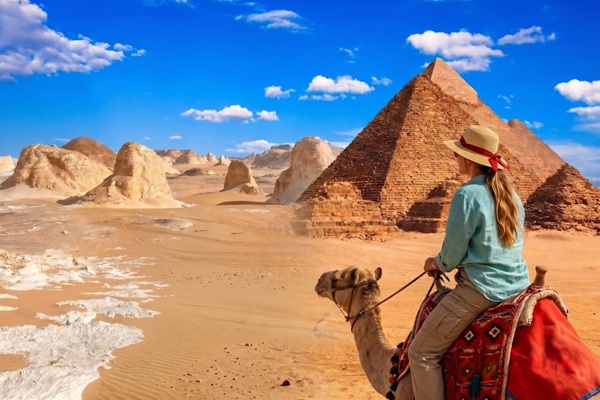
Egypt is a destination where ancient history, lively cities, desert landscapes, and warm hospitality come together in one unforgettable adventure. From the busy streets of Cairo to the peaceful waters of the Nile, every part of the country offers a different experience. Planning a first visit can feel challenging because there are so many temples, museums, markets, and natural attractions to explore. A well-organized week, however, can provide a rewarding introduction to Egypt while leaving you with memories that last a lifetime.
A practical egypt itinerary 7 days can include Cairo, Luxor, Aswan, and a relaxing journey along the Nile. The key is to balance sightseeing with enough time to enjoy each destination. Rather than trying to visit every attraction, focus on the places that best represent Egypt’s history and culture. Good transportation planning is also important, as the distances between major cities can be considerable.
Beginning Your Adventure in Cairo
Most visitors begin their trip in Cairo, the country’s energetic capital. The city is home to some of the world’s most famous historical landmarks, including the Giza Plateau. Visiting the pyramids early in the morning is a wonderful way to avoid the strongest heat and larger crowds. The Great Pyramid, the Sphinx, and the surrounding desert create an impressive first impression of Egypt.
After exploring Giza, travelers can continue to the Egyptian Museum or one of the city’s newer museums, depending on their interests and schedule. A visit to the museum offers a closer look at ancient statues, royal treasures, jewelry, and everyday objects from different periods of Egyptian history. In the evening, Cairo’s old neighborhoods provide the perfect setting for a walk, a traditional meal, or a cup of tea in a local café.
The historic area around Islamic Cairo is especially enjoyable for travelers who appreciate architecture and local culture. Narrow streets lead to old mosques, traditional houses, artisan workshops, and colorful shops. Khan el-Khalili is a popular market where visitors can browse spices, lamps, textiles, handmade souvenirs, and jewelry. Bargaining is common, but it is best approached with patience and good humor.
Exploring the Ancient Temples of Luxor
Luxor is often described as one of the greatest open-air museums in the world. The city stands near the ancient capital of Thebes and contains an extraordinary concentration of monuments. Travelers based in Hurghada can arrange a luxor day trip from hurghada when they want to experience the major highlights without spending several nights away from the Red Sea coast.
On the west bank of the Nile, the Valley of the Kings is one of Luxor’s most memorable attractions. The valley contains the tombs of numerous pharaohs, many of which are decorated with detailed paintings and symbolic inscriptions. The tomb of Tutankhamun is especially well known, although several other tombs offer equally fascinating artwork and historical details.
Nearby, the Temple of Hatshepsut rises dramatically against the cliffs. Its terraces and columns reflect the power of one of ancient Egypt’s most famous female rulers. The Colossi of Memnon are another popular stop on the west bank. These massive stone statues once guarded the entrance to a large temple complex and remain impressive despite the passage of thousands of years.
On the east bank, Luxor Temple is particularly beautiful near sunset. The temple’s columns, statues, and avenues create a peaceful atmosphere as the light changes across the stone walls. Karnak Temple is even larger and deserves several hours of exploration. Its enormous hypostyle hall, filled with towering columns, demonstrates the scale and ambition of ancient Egyptian builders.
Enjoying a Peaceful River Journey
A Nile cruise adds a slower and more relaxing dimension to a trip through Egypt. Instead of traveling between cities by road, visitors can watch villages, palm trees, farmland, and desert scenery pass by from the deck of a traditional boat. The river has shaped Egyptian life for thousands of years, and traveling on it provides a deeper appreciation of the country’s geography and culture.
For travelers seeking an intimate experience, researching the best dahabiya nile cruise can be a worthwhile part of the planning process. Dahabiyas are traditional-style sailing boats that are generally smaller and quieter than large cruise ships. Their relaxed pace makes it easier to enjoy the scenery, spend time on deck, and visit less crowded locations along the river.
Many river journeys connect Luxor with Aswan, stopping at important sites such as Edfu and Kom Ombo. The Temple of Edfu is dedicated to the falcon-headed god Horus and is one of the best-preserved temples in Egypt. Kom Ombo is unique because it was dedicated to two different groups of gods and features reliefs that reveal fascinating details about ancient beliefs, medicine, and daily life.
Discovering Aswan and Nubian Culture
Aswan has a calmer atmosphere than Cairo and Luxor, making it an ideal place to slow down at the end of a busy journey. The city is surrounded by the Nile’s blue waters, granite islands, and green riverbanks. A traditional felucca ride around Elephantine Island offers beautiful views, especially in the late afternoon when the sunlight softens over the water.
Visitors can also explore Nubian villages, where brightly painted houses, welcoming residents, and distinctive traditions provide a different perspective on Egyptian culture. Local guides can explain the history of the Nubian people and introduce travelers to regional food and crafts. A visit to the Philae Temple is another essential experience. Located on an island, the temple complex is dedicated primarily to the goddess Isis and can be reached by boat.
The Aswan High Dam is an important modern landmark that transformed agriculture and energy production in Egypt. It also led to the relocation of several ancient monuments, which were carefully moved to protect them from rising waters. Learning about this engineering project adds useful context to the history of the region.
Practical Advice for a Comfortable Trip
Egypt is warm and sunny for much of the year, so comfortable clothing, a hat, sunglasses, and sunscreen are essential. Lightweight fabrics are useful during daytime sightseeing, while a light jacket may be helpful in the evening or during cooler months. Comfortable walking shoes are especially important because many archaeological sites have uneven ground and large areas to explore.
It is wise to carry bottled water and drink regularly, particularly when visiting outdoor monuments. Starting sightseeing early can make a significant difference, both because temperatures are usually more pleasant and because popular sites are often quieter in the morning. Hiring a qualified local guide can also improve the experience by explaining inscriptions, religious symbols, and historical events that may otherwise be difficult to understand.
When planning transportation, allow extra time for traffic, security procedures, and changes in schedule. Domestic flights can save time between distant cities, while trains and river cruises offer a more scenic alternative on selected routes. Booking important hotels, transfers, and tours in advance is recommended during busy travel seasons.
A Memorable Introduction to Egypt
A carefully planned week in Egypt can combine world-famous monuments with peaceful river scenes and authentic cultural encounters. Cairo offers energy and ancient wonders, Luxor reveals the achievements of pharaohs, and Aswan provides a serene conclusion beside the Nile. Whether you prefer detailed historical tours, traditional sailing, local food, or relaxed exploration, Egypt can be shaped around your interests.
The most enjoyable journeys leave room for both planned activities and unexpected moments. Watching the sunset over the Nile, sharing tea with a local guide, hearing stories about ancient rulers, or simply observing daily life along the river can become just as memorable as visiting the major monuments. With thoughtful preparation and a balanced schedule, a first trip to Egypt can be comfortable, inspiring, and truly unforgettable.