
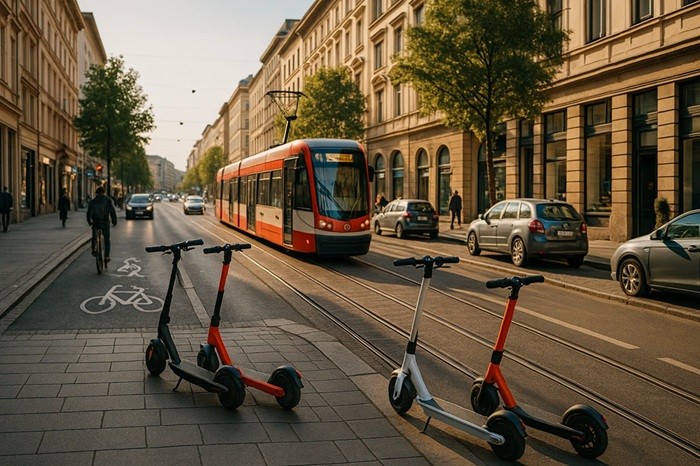
City trips keep getting shorter and messier. Many people travel two, three, maybe five kilometers and still grab the car. Public transport does a good job along the big lines. The trouble sits in the gaps between stations and homes, offices, campuses, shops. That last stretch often feels slow, annoying, or unsafe on foot, so people default to the car again.
Electric scooters stepped right into that gap. They are small, quick, quiet, and easy to park. The big question is simple. If a city plans them well, can electric scooters act as the missing link in urban mobility planning, instead of just extra clutter on the sidewalk.
This version walks through that idea in a direct way. It looks at first and last mile trips, transit links, congestion, parking, emissions, safety, rules, and real examples. No magic. Just where scooters help and where they do not.
The pressure on city transport
Daily city travel leans on four headaches. Packed roads. Dirty air. Not enough parking. People in a hurry who still want low costs.
A lot of urban trips fall under ten kilometers. Many sit under five. One person takes one car. The car crawls in traffic, then sits still in a parking space for hours. That uses space badly and burns fuel for almost nothing.
Buses, trams, and metro lines fix part of this. They work best when people live and work close to stops. Once a walk feels too long, too dark, too steep, or too exposed to rain and cold, people start to look for something else. Taxis and ride hailing fill the gap for some, but they add cost and still send more cars onto the road.
So cities need another layer. A one person vehicle that fits narrow streets, links nicely with stations, and tucks away without drama. Electric scooters fit that idea quite well.
Scooters as first and last mile helpers
Electric scooters shine on short trips. One to five kilometers, maybe more with a good path. You step on, push the throttle, and move faster than walking with almost no effort.
Why they work in that role:
- They take very little space while moving.
- They are light and easy to handle for most riders.
- Shared fleets tend to sit near busy spots and stations.
- Private models fold and slide under a desk or next to a seat.
- Pricing for shared rides is clear enough for daily use.
So a normal chain can look like this. Home to station by scooter. Fold or park. Metro or bus for the long part. Then scooter again for the final stretch. Once that feels smooth, the car looks less attractive for many weekday trips.
How scooters fit into public transport
Electric scooter urban mobility planning only makes sense when scooters are treated as part of the network, not as a side toy.
Station hubs that actually work
Scooter parking should sit right next to station exits. Not two crossings away. Not hidden around the block. Riders should see where to pick up and drop off scooters without guessing. Simple racks, paint on the ground, and small signs help more than long manuals.
One view for route and payment
Trip apps work best when they show buses, trains, and scooters in one place. Plan a ride, see that you walk two hundred meters, grab a scooter, reach the metro, and then grab another scooter at the exit. Pay inside the same system. When it feels this easy, people start to treat scooters as a normal step in the journey, not a special event.
Coverage with a bit of discipline
Random scatter does not help. City teams can set priority zones near dense housing, office areas, campuses, and rail hubs. Inside those zones, people know a scooter should sit within a short walk most of the day. That sense of trust beats a huge but chaotic fleet.
In this setup, scooters support strong bus and rail lines instead of stealing riders. They handle the awkward edges and feed people into the backbone of the system.
What changes for congestion, parking, and travel time
If enough people switch short car trips to scooters, the street starts to feel different.
- Road space: One scooter with one person takes far less room than one car with one person.
- Travel time: For trips under three or four kilometers through heavy traffic, scooters often match or beat cars once you count parking.
- Parking stress: A single standard car space can hold many scooters. That frees space if the city marks proper bays.
- Flow: Fewer stop and go car trips near junctions helps trams, buses, and bikes move more steadily.
This only holds with clear rules. When scooters block ramps, doors, or bus stops, public support drops fast. When they race across tight sidewalks, everyone gets annoyed. Marked parking, clear slow zones, and real enforcement turn potential chaos into something that works.
Real impact on emissions
Scooters run on batteries, so no exhaust on the street. Their production, parts, and charging still use energy, so the full picture sits in the whole life cycle. Even so, when a scooter replaces many short car trips, the numbers look good.
City plans can push this in the right direction.
- Aim scooters at areas with many short car rides.
- Push longer lasting hardware and repair programs.
- Set rules for safe batteries and proper recycling.
When each scooter covers thousands of rides instead of a short burst of hype, the climate and air quality benefits become clear and easy to explain.
Safety, streets, and how people actually ride
Safety often decides if people accept scooters or push for bans. Common problems appear again and again. Rough surfaces, tight paths, big gaps between lanes, poor lights, drunk riding, and tension with people on foot.
Good planning cuts risk instead of shifting blame.
Protected space for light vehicles
Where street width allows, extend and join cycling lanes so scooters can share them. Smooth asphalt, clear lines, and no sudden pinch points matter. The big win comes from continuity. Riders need routes that do not vanish at every junction.
Simple rules, repeated often
People respond better to short and clear rules.
One rider per scooter.
No riding drunk.
Lights on at night.
Respect slow areas and no ride zones.
Helmet use encouraged or required based on local law.
These rules should appear in apps, on scooters, and on street signs near hubs. Short text. Clear icons.
Parking, charging, and tech support
Good parking beats angry tweets. Hubs near stations, squares, malls, and campuses keep sidewalks open. Trips end only inside these zones. Cameras and ground markers guide riders. Location control can slow scooters in crowded areas, or stop parking in front of ramps and doors.
Charging through docks or swappable batteries needs rules on fire safety and storage. When cities and operators handle this well, scooters feel less like loose gadgets and more like part of the system.
Rules, permits, and fleet control
Without rules, electric scooters slip from smart tool to street clutter. Without data, rules drift.
Key parts that work in practice:
- Permits that limit how many operators run and what they must provide.
- Technical standards for lights, brakes, reflectors, tires, and top speed.
- Parking rules, including real fines and removal of blocked devices.
- Data sharing in a standard format so planners see use, parking spots, and problem areas.
Clear, stable rules help good operators stay and improve. Weak rules reward whoever cuts corners. The first path leads to better hardware and safer rides.
What other cities already learned
Early pilot cities show two clear stories.
Some places opened the gates with almost no control. Fleets exploded. Scooters piled up in front of crossings and shops. People tripped. Anger grew. Later rules felt late and soft.
Other cities started small. They limited operators, set proper hubs, demanded response times for complaints, and checked hardware. Bad performers lost their right to operate. Over time, the market shifted toward better scooters and more careful service.
Where cities built safe bike lanes and scooter rules together, tension dropped. Riders moved out of tight sidewalks. Drivers learned to expect scooters in clear areas. Crashes and close calls fell.
The pattern is plain. Success depends less on the gadget and more on planning, timing, and follow through.
When scooters help and when they hurt
Electric scooters work as a missing link only under certain conditions.
They help when:
- They replace short car trips, not walking or cycling.
- People can ride on safe, clear routes instead of weaving through pedestrians.
- Parking spots sit where people need them and stay tidy.
- Fleet sizes fit demand.
- Maintenance keeps brakes sharp and stems tight.
- Rules and data stay transparent so the network can adjust.
They hurt when:
- They mostly replace walking.
- Devices lie across sidewalks and block access.
- Nobody clears broken units.
- Local rules stay vague or ignored.
- Short lived, poor quality scooters turn into fast waste.
Same tool. Two paths. The difference comes from how a city sets the ground rules and sticks to them.
Using real data, specs, and lived experience
Good electric scooter urban mobility planning needs more than promises in a pitch deck. Planners need real numbers. Weight limits, battery size, deck space, tire type, braking distance, lighting. All of this shapes which models fit which streets.
Technical databases like Electric Scooters Specs help compare models in a clear way. They show which scooters handle rough pavement, steep climbs, or heavy riders with some margin.
Rider voices matter as well. Daily users spot loose stems, weak lights, slippery decks, harsh brakes. They talk about comfort on cobblestones and how scooters behave in rain. Collections of Scooter Reviews capture that side and turn it into usable feedback for operators and city teams.
When planners mix specs, reviews, and trip data, they make smarter choices. They pick fewer but better models. They place hubs where people actually ride. They adjust slow zones based on facts.
So, are electric scooters the missing link?
Electric scooters alone do not fix city traffic. They sit beside good sidewalks, strong bus lines, metro routes, bike lanes, and smart parking policy. They come with risk if left unsupervised.
Still, with the right setup, they close a key gap. Home to station. Station to office. Late night rides where people do not want to walk thirty minutes along an empty road. Short, quick trips where a car feels silly but time still matters.
With clear rules, real parking control, safe routes, solid hardware, and honest use of data, scooters stop feeling like clutter. They become a normal part of daily travel. In that context, yes, electric scooters can act as the missing link in urban mobility planning. Not perfect. Not for every street. But real, practical, and already within reach.
